If you’re deep into Death Stranding 2: On the Beach and wondering what the Eon Ceramics Mine is and where to find it, you’ve come to the right place. Ceramics are one of the most vital materials in the game for crafting equipment and building the infrastructure needed to connect the world. This guide explains exactly where the ceramics mines are, how to activate them, and the best ways to farm ceramics efficiently.
What Are Ceramics Used For in Death Stranding 2?
Ceramics are a core material you need for constructing and upgrading a wide range of crucial gear and structures. You’ll use ceramics to craft things like battle skeletons, armor plates, and road‑building equipment such as auto‑pavers. Unlike easily lootable metals or chemicals found in various enemy camps, ceramics often require intentional mining or targeted farming to gather enough for significant builds.
Where Is the Ceramics Mine (Eon Ceramics Mine)?
In Death Stranding 2, there are two main ceramics mines you will want to unlock for steady farming:
1. Smoke Hill Mine (First Ceramics Source)
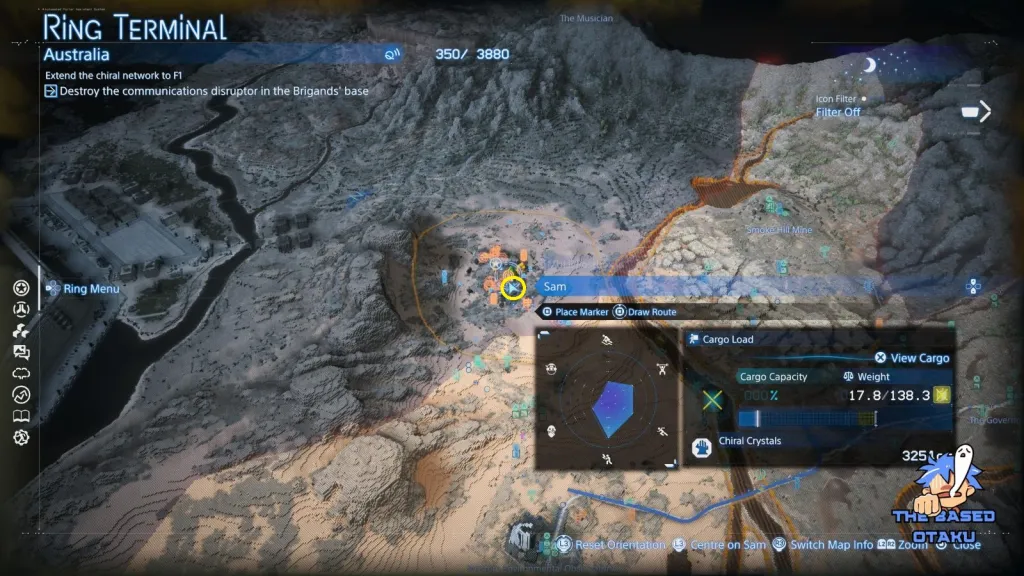
This is often the first ceramics mine you’ll encounter. It’s located northeast of The Government’s Base in the Australian region of the map. You’ll usually unlock access to this mine after completing the sub‑order to restore the Smoke Hill Mine, making it one of the earliest reliable sources of ceramics.
2. Mine North of Tar Lake (Second Ceramics Location)
Later in the game, there’s a larger ceramics mine north of Tar Lake, near the Northern Environmental Observatory. This mine yields far more ceramics per visit, making it ideal once you have unlocked it and can handle the travel there.
Both of these mines let you exchange Chiral Crystals for ceramics, acting as dedicated material farms rather than random pickups in the open world.
How to Activate and Use the Ceramics Mines
To start mining ceramics:
- Reach the mine location.
Fast travel or ride a vehicle to the site in Australia. - Restore the mine.
Most mines are inactive at first, you need to complete a side order or restore the mine by depositing required materials. Once repaired, the mining terminal becomes operational. - Feed it Chiral Crystals.
After it’s restored, you can use Chiral Crystals to generate batches of ceramics. The cost‑to‑ceramics ratios are usually very favorable, especially at the Smoke Hill Mine. - Collect the yield.
Once your crystals are spent, grab the ceramics and either haul them yourself or send them to connected facilities via the monorail network.
Best Farming Tips for Ceramics
Getting ceramics efficiently isn’t just about visiting a mine once:
- Upgrade the mine:
Once restored, you can spend more materials to upgrade it so each batch yields even more ceramics. - Raid Enemy Camps:
While not as consistent as mining, many MULE and Brigand camps often store ceramics in containers you can collect after clearing them out. - Constant Rotation:
Alternate between the Smoke Hill Mine and the larger Tar Lake mine as you progress through the game, early on you’ll rely on Smoke Hill for quick access, and later the Tar Lake mine will provide high output. - Bring a Vehicle:
Ceramics are heavy. Using trucks or off‑roaders lets you transport bigger hauls in one trip.
Why Ceramics Matter More Than You Think
Whether you’re paving major highways, upgrading battle gear, or connecting distant outposts, ceramics are always in demand. Early in Death Stranding 2, supplies might seem manageable from random loot, but mid‑game and late‑game objectives require hundreds or thousands of ceramics, so having a reliable mining operation changes the pacing of your progression for the better.