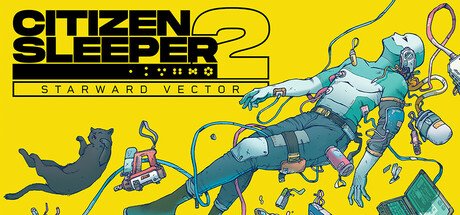
Citizen Sleeper 2: Starward Vector is not just a sequel, it is a confident evolution. Building on the foundations of the first game, this follow-up delivers tighter systems, higher stakes, and a far stronger sense of momentum. This Citizen Sleeper 2 review explains why the game succeeds by pushing its narrative RPG design further while never losing its emotional core.
A New Life on the Run
This time, you are not simply surviving, you are escaping. The story places you in the role of a Sleeper who is actively being hunted, forcing constant movement through the Starward Belt. This creates a sense of urgency that the original game intentionally avoided. Every decision feels heavier because safety is never guaranteed for long.
The writing remains sharp and grounded. Conversations feel personal, and choices carry consequences that echo beyond a single location. Rather than relying on spectacle, the game trusts its words, atmosphere, and pacing to keep players invested.
Refined Dice-Based Gameplay
At the heart of the experience is the familiar dice system, but it has been smartly refined. Each cycle begins with a dice roll that determines what actions you can take. These rolls are now more closely tied to risk and pressure, making success feel earned rather than routine.
The new stress system replaces older mechanics and significantly raises tension. Poor rolls and bad decisions can damage your dice, limiting future options. Even failure matters, as risky outcomes can spiral into difficult situations that must be managed carefully rather than avoided.
Crew, Contracts, and Consequences
One of the biggest upgrades is the introduction of a crew system. You are no longer alone. Companions bring unique abilities and dice modifiers, encouraging strategic planning instead of brute persistence. Choosing who to rely on, and when, adds depth without overcomplicating the game.
Contracts introduce structured objectives that give direction while still allowing freedom. These missions push you forward and prevent the experience from becoming stagnant, solving one of the pacing issues some players felt in the first game.
Atmosphere Over Action
This is not an action-heavy RPG, and it never tries to be one. The tension comes from decision-making, limited resources, and uncertain outcomes. The visuals remain minimal but effective, supporting the text without overwhelming it. Music and sound design quietly reinforce the mood, making the universe feel lived-in and fragile.
What Citizen Sleeper 2 Does Best
The game excels at making players care. It turns small choices into meaningful moments and transforms abstract systems into emotional pressure. Every mechanic supports the central theme of survival under constant threat, and nothing feels wasted or unnecessary.
Minor Limitations
Players expecting fast-paced gameplay may find the experience slow. Reading is essential, and patience is rewarded more than reflexes. However, this is a design choice rather than a flaw, and it aligns perfectly with the game’s goals.
Final Verdict
This Citizen Sleeper 2 review makes one thing clear: Starward Vector is a stronger, more confident sequel. It sharpens its systems, deepens its storytelling, and adds just enough structure to keep players moving forward without sacrificing freedom.
For fans of narrative-driven RPGs and thoughtful sci-fi worlds, Citizen Sleeper 2 delivers an experience that feels tense, human, and unforgettable.
More game reviews: